The Return of the Classics: Why Yesterday's Stories May Be the Answer to Today's Learning Crisis
By My Learning Source · July 27, 2026 · STEM, Reading, Writing
By Zack Edwards, Creator of MyLearningSource
For years, many educators, parents, and researchers
have asked the same question: Why are so many students losing interest in
reading? Libraries have become quieter, recreational reading has declined in
many households, and screens have steadily replaced books as the primary source
of entertainment for millions of young people. Yet something interesting has
begun to happen. Across the country, families are rediscovering the stories
that captivated generations before them. They are pulling classic novels off
the shelves, dusting them off, and introducing them to a new generation. It
turns out that some of the best solutions for today's challenges were written
decades—or even centuries—ago.
The pendulum appears to be swinging back.
Parents are recognizing that while technology has its place, it cannot replace the experience of sitting down with a well-written story that stretches the imagination, builds vocabulary, and teaches young readers how to think instead of simply react. Books like Moby-Dick, The Swiss Family Robinson, Treasure Island, The Adventures of Tom Sawyer, and countless others continue to endure because they ask readers to wrestle with ideas, motivations, challenges, and consequences. These are not stories that spoon-feed every answer. They require attention, patience, and curiosity.
Those are precisely the skills many educators say students need today.
Reading a classic novel is different from scrolling through endless videos or consuming short bursts of information online. A good book slows the mind down. It asks readers to follow complicated characters, notice subtle clues, predict outcomes, and sometimes reconsider what they thought they knew only a few pages earlier. That process exercises the brain in ways that passive entertainment rarely can.
Perhaps nowhere is this more obvious than in the growing interest surrounding classic mystery stories.
Mystery novels do something remarkable. They transform reading into an investigation. Every chapter contains clues. Every conversation may hide a secret. Every new character raises another question. Instead of simply absorbing information, readers begin asking questions of their own.
"Why did that happen?"
"What isn't this person telling us?"
"Did I overlook something?"
"Could there be another explanation?"
Those questions are the very foundation of critical thinking.
Unfortunately, many students today are rarely challenged to think this way outside of mathematics or science. Too often they become accustomed to searching for immediate answers, relying on search engines, social media summaries, or artificial intelligence to provide conclusions before they have had the opportunity to wrestle with the problem themselves. While these technologies can be useful tools, they should never replace the mental exercise of investigation, reasoning, and discovery.
That is one reason classic mystery stories remain so valuable.
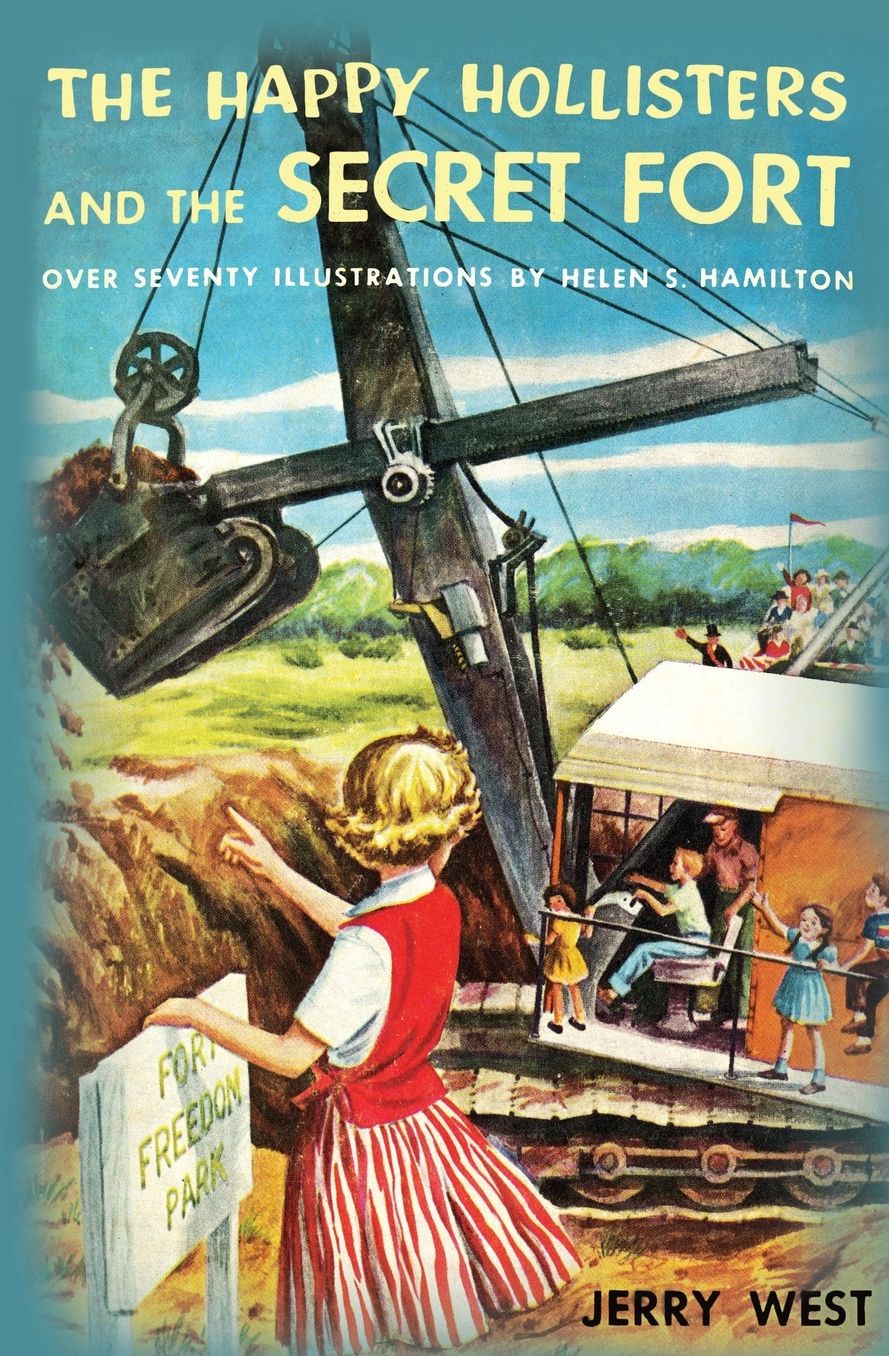
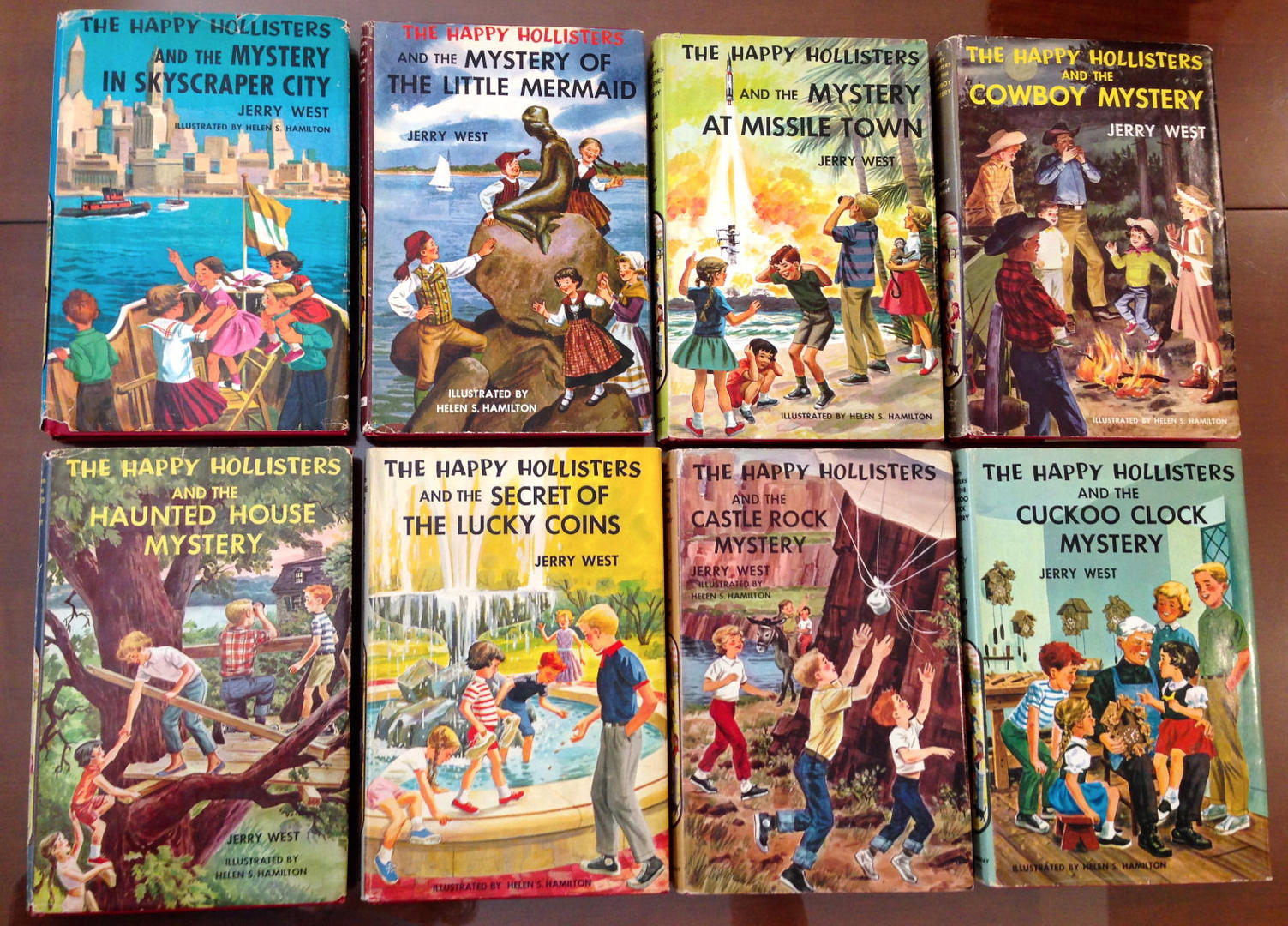
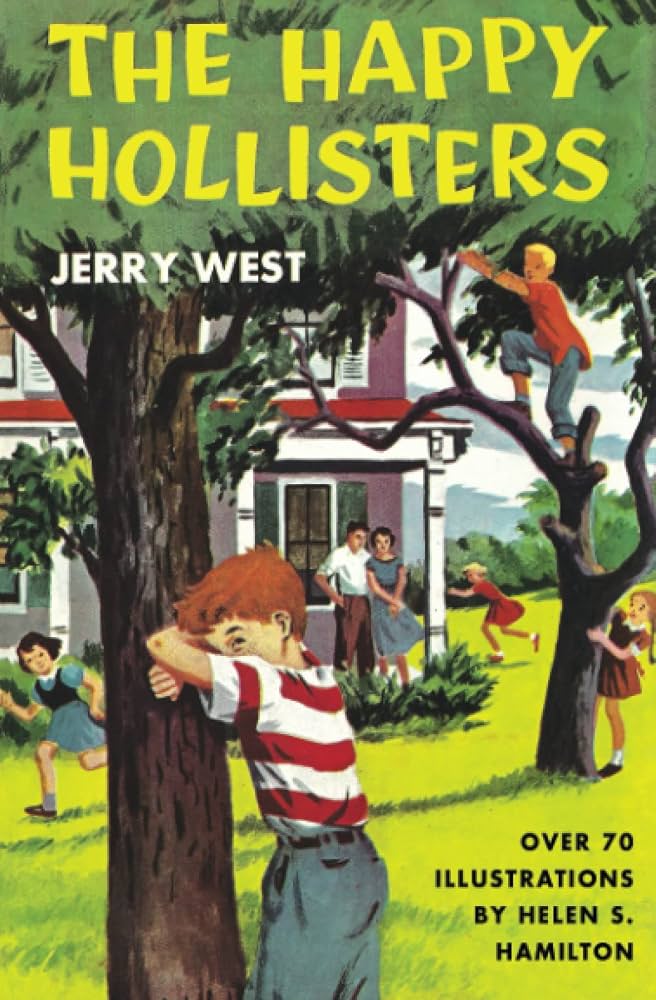
One series making an exciting return is The Happy Hollisters. Originally introduced during the 1950s, these wholesome family mysteries are finding new readers as they are being republished for today's generation. The stories follow an ordinary family whose children repeatedly stumble upon mysteries involving missing treasures, suspicious strangers, hidden clues, and puzzling events. The adventures are exciting without relying on excessive violence or sensationalism. Instead, they encourage observation, teamwork, patience, honesty, and logical reasoning.
Perhaps the greatest strength of The Happy Hollisters is that the mysteries cannot be solved by guessing wildly or waiting for someone else to provide the answer. Readers naturally begin piecing together clues alongside the characters. Every chapter becomes an invitation to think independently.
That matters.
Critical thinking is not developed by memorizing facts alone. It grows when students compare evidence, evaluate competing explanations, identify patterns, and learn that first impressions are not always correct. Good mystery stories provide exactly that opportunity. They teach young readers that appearances can be misleading, that careful observation matters, and that truth often requires persistence to uncover.
These lessons extend far beyond literature.
A student who learns to question assumptions while reading mysteries becomes better prepared to evaluate news stories, advertisements, internet claims, political arguments, and everyday decisions. Instead of accepting every statement at face value, they begin asking healthy questions. They seek evidence. They compare viewpoints. They weigh possibilities. In short, they become independent thinkers.
That is a skill every free society needs.
Parents are noticing something else as well. When families read classic books together, conversations naturally follow. Children ask why characters made certain decisions. Parents explain historical settings. Brothers and sisters debate who they think committed the crime before the mystery is solved. Reading becomes less of an assignment and more of a shared adventure.
The result is something technology rarely delivers: genuine interaction.
Stories create common experiences that families remember for years. Long after the final page is turned, readers often remember the lessons, the heroes, the mistakes, and the discoveries that unfolded along the journey.
Perhaps that is why these older books continue to survive generation after generation. They speak to timeless truths about courage, honesty, friendship, perseverance, and wisdom. Human nature has not changed nearly as much as technology has.
As more families rediscover these stories, they are also rediscovering the joy of reading itself. Students who once claimed they hated books often discover they simply had not found the right ones yet. Adventure stories ignite imagination. Historical novels make the past feel real. Mysteries transform readers into detectives. Suddenly, reading is no longer a chore—it becomes something students genuinely anticipate.
That is encouraging news for parents, teachers, and anyone who cares about the next generation.
The revival of classics such as The Happy Hollisters reminds us that sometimes the best educational innovations are not new inventions at all. Sometimes they are timeless ideas waiting to be rediscovered.
The goal has never been simply to teach students to read words on a page.
The goal is to help them think.
To ask better questions.
To recognize that every story has more than one layer.
To understand that evidence matters.
To develop patience in a culture demanding instant answers.
To become thoughtful adults capable of solving real problems.
Classic literature has been quietly accomplishing those goals for generations. It appears that a growing number of families are beginning to recognize that once again.
That may be one of the most encouraging educational trends we've seen in years.